History 1918
Poland's Independence Day is the 11th of November
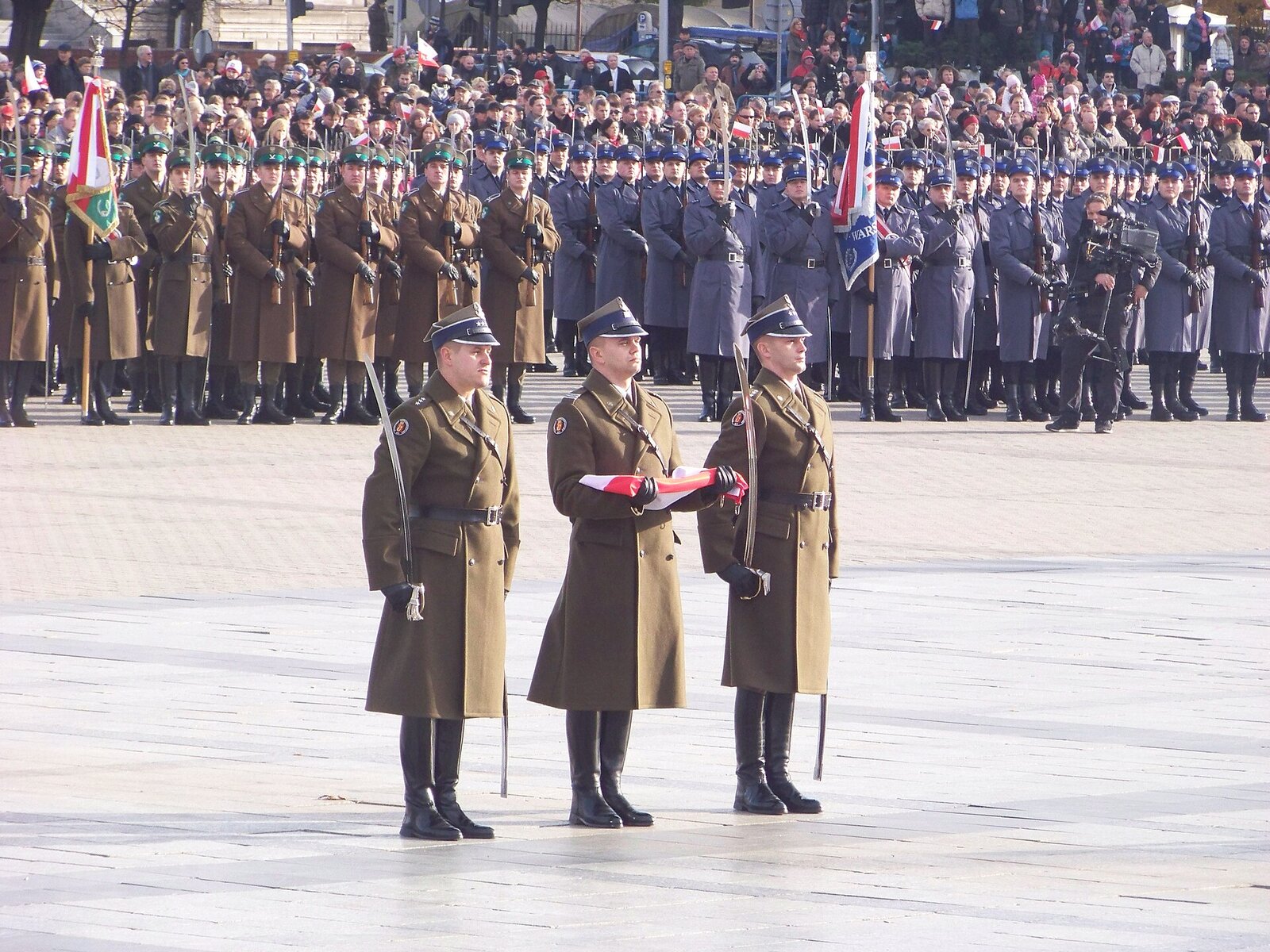
On 11 November 1918, the day the guns fell silent on the Western Front, the Regency Council in Warsaw handed command of the Polish army to Józef Piłsudski, who had arrived in the city the day before. Since 1795 Poland had not existed as a state: its lands were divided between Russia, Prussia and Austria. After 123 years it was independent again.
Independence came piece by piece over those weeks, not on a single day. The eleventh was chosen because two things met on it: Piłsudski took command in Warsaw, and the First World War ended. When the holiday was finally written into law, it was meant to honour both, and Piłsudski himself.
The date has had a bumpy history. It became an official state holiday only in 1937, and was celebrated as one just twice before the Second World War. Under the German occupation, people wrote “11.XI.1918” on walls in secret. In 1945 the communist government abolished the holiday and put 22 July in its place. The eleventh came back in February 1989, and for that one year Poland officially had both.
Today Warsaw marks the day with a state ceremony at the Tomb of the Unknown Soldier, an Independence Run held since 1989, and, since 2010, the Independence March, which its organisers describe as a patriotic march. It draws the biggest crowd of the day: estimates for recent years run from about 100,000 to almost 300,000 people.
In Poznań, 11 November is also St Martin’s Day, which means croissants.
Sources
- Narodowe Święto Niepodległości, Polish Wikipedia — in Polish; the law of 1937, the ban of 1945, the return in 1989, the Independence Run
- Marsz Niepodległości, Polish Wikipedia — in Polish; 2025 estimates from about 100,000 (city hall) to almost 300,000 (organisers); 250,000 in 2018 (police)
- National Independence Day (Poland), Wikipedia