Film & TV 2014
In I Origins, a scientist who does not believe in signs keeps meeting elevens
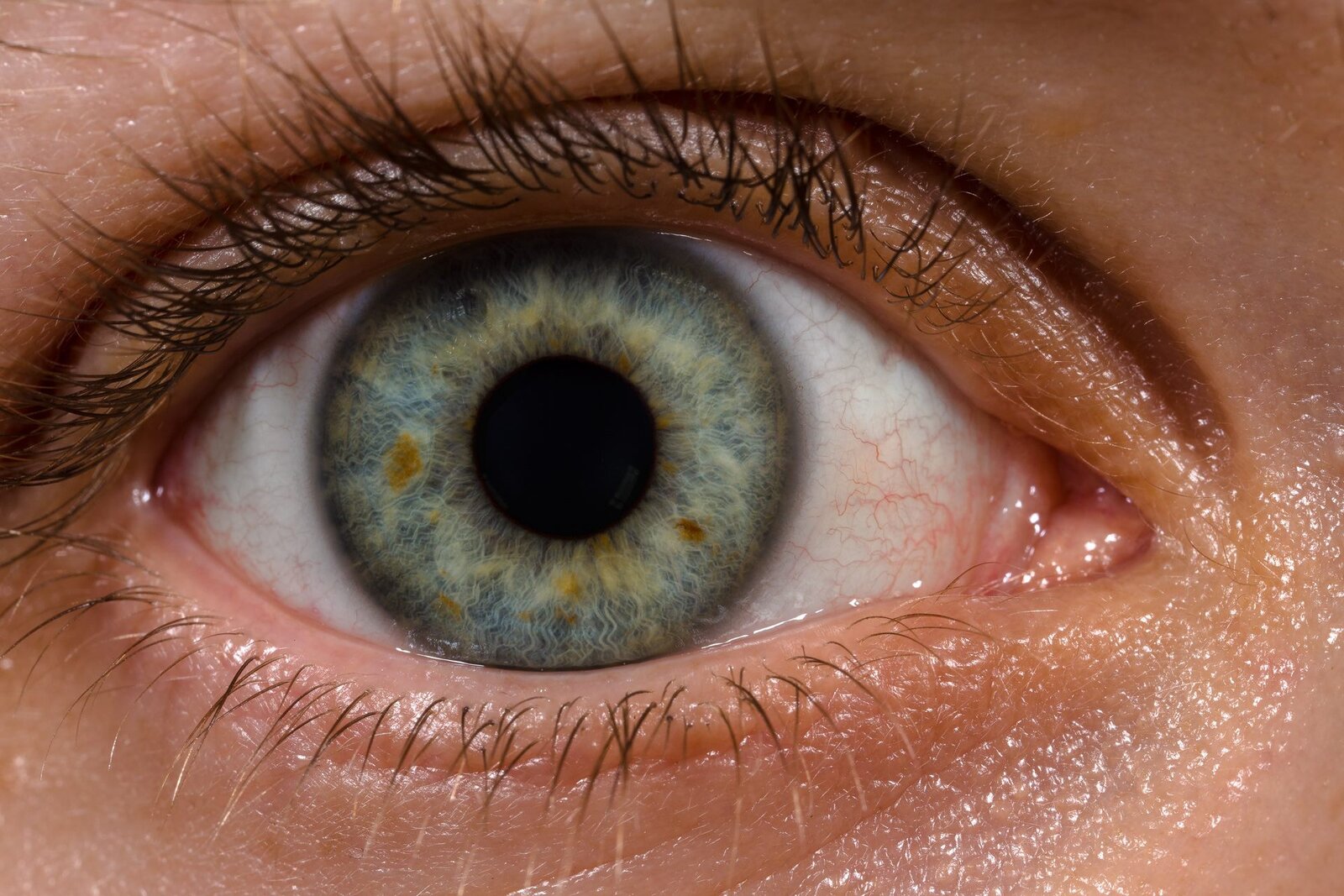
I Origins (2014) is a science-fiction film written and directed by Mike Cahill. Ian Gray (Michael Pitt) is a young scientist who studies how the eye evolved. Some people say the eye is too complex to have evolved, so it must have been designed. Ian wants to prove them wrong. He does not believe in signs.
At a Halloween party he meets a woman in a mask. All he sees of her is her eyes, and she leaves without giving her name. Some time later, one morning, the elevens start: he buys a lottery ticket at a 7-Eleven, gets $11.11 in change, sees that the time is 11:11, and gets on a number 11 bus. The elevens lead him to a billboard with her eyes on it, and soon after he finds Sofi again.
Cahill said in an interview that he wanted a rational, atheistic scientist who would never believe in “the hocus-pocus of numerology”, and then to put him in the opposite situation to see if he could swim. Ian follows the elevens “because there are too many of them to deny”. Later he explains it to himself: life was founded on coincidences, so scientifically it is fine.
The film goes on to be about eyes, love and reincarnation. It won the Alfred P. Sloan Prize at Sundance, given to films about science, and on 11 October 2014 the best film award at the Sitges festival.
Sources
- 'Anatomy of a Scene' with director Mike Cahill, The New York Times (video) — the scene with the elevens, talked through by the director
- I Origins (2014), IMDb
- I Origins, Wikipedia — plot, the Sloan Prize and the Sitges award
- Mike Cahill interview, Den of Geek (Ryan Lambie, 2014) (archived copy) — “too many of them to deny”
- I Origins, review, Spirituality & Practice (archived copy) — the 7-Eleven, the change, the clock and the bus
- I Origins, review by Bill Wine, CBS Philadelphia (2014) (archived copy) — Ian against the idea that the eye is too complex to have evolved