Places 2005
Burma's new capital, and a convoy that left on 11 November at 11:00
Late on a Saturday in November 2005, the military government of Burma (now Myanmar) told its civil servants that the ministries were leaving Rangoon, the capital. Early the next morning, 6 November, the first convoy left at exactly 6:37. Burmese observers suspected that the generals’ astrologers were behind both the move and its exact minute. The convoy was heading for a building site more than 300 kilometres to the north, near the small town of Pyinmana. Officials had to leave their families behind, and on arrival they found water shortages and, at one ministry, three telephone lines.
Then came the elevens. According to the Bangkok Post, a second convoy set off on 11 November at 11:00: 1,100 military trucks, carrying 11 army battalions and 11 government ministries. “Many Burmese believe the journeys were astrologically set,” the article added, by the country’s ruler, General Than Shwe. It was written a few weeks later by Myint Shwe, a Burma analyst living in Toronto, and it is the earliest report of the elevens we could find. Every later retelling seems to go back to it.
It would not have been the first time. In 1987 the previous dictator, Ne Win, replaced the country’s banknotes with notes of 45 and 90 kyats, both built on his favourite number, nine.
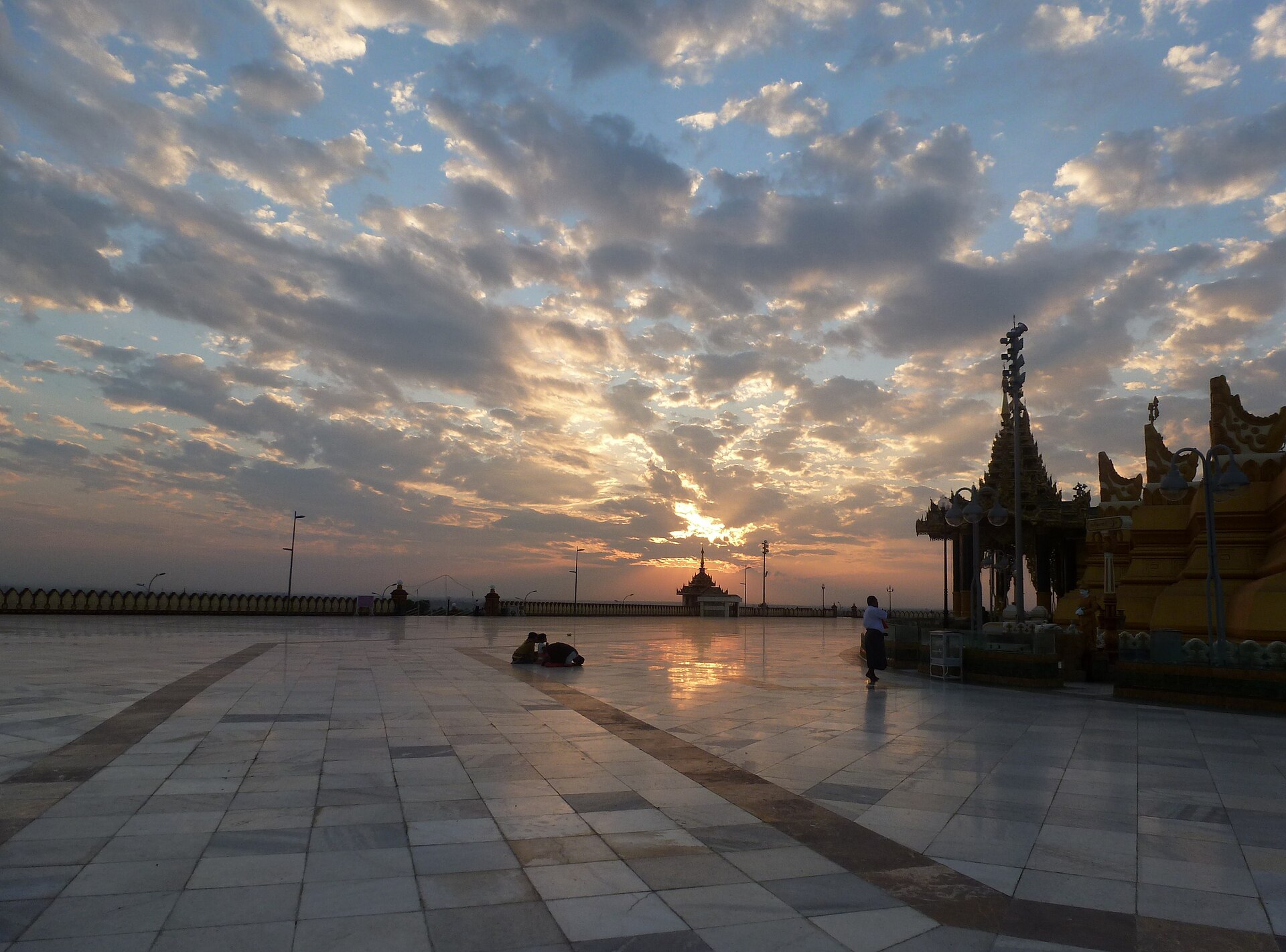
The new capital was named Naypyidaw, “abode of kings”, in March 2006. It is known today for its emptiness: a twenty-lane boulevard with hardly any cars on it, and a golden pagoda with almost nobody in its plaza.
Sources
- Myint Shwe, 'The Move to Pyinmana', Bangkok Post (4 December 2005) (archived copy) — the convoy of 11 November at 11:00, and families left behind
- Aung Zaw, 'Moving Target', The Irrawaddy (9 November 2005) (archived copy) — the first convoy at 6:37 on 6 November, the astrologers, three phone lines
- Naypyidaw, Wikipedia — the name, the 20-lane boulevard
- Myanmar kyat, Wikipedia — the 45 and 90 kyat notes of 1987